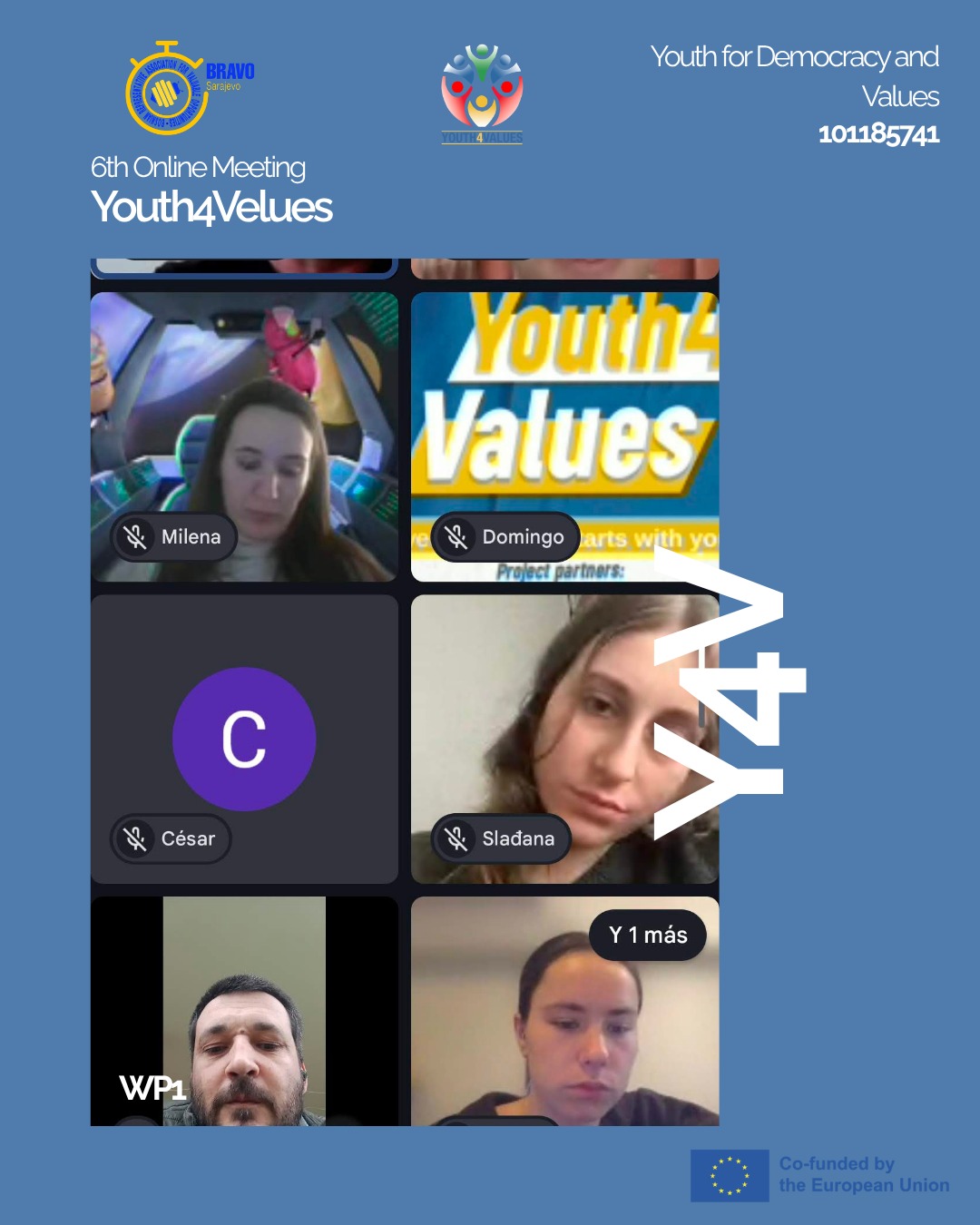
At the sixth international meeting, participants reviewed the first developed recommendations for their National Action Plans. The focus was on quality: making proposals specific, evidence-based, inclusive and realistic enough to support meaningful policy change.
Each national group presented selected draft recommendations and explained the problem behind them. International peers then provided structured feedback on relevance, clarity, feasibility and expected impact. Participants checked whether the proposals clearly defined the responsible actors, the intended beneficiaries, the implementation period and measurable indicators. Recommendations that were too broad were rewritten into more practical actions.
The meeting placed strong emphasis on evidence. Participants discussed how findings from surveys, community forums, workshops and consultations with experts should be used to justify the proposed measures. They also considered how data can reveal inequalities in participation, especially for young people with disabilities, those living in rural areas, young people facing economic barriers and groups that are underrepresented in public life.
Another important topic was the connection between recommendations and implementation. Participants explored possible roles for municipalities, ministries, educational institutions, youth organisations, media, businesses and informal youth groups. They agreed that shared ownership is essential because youth participation cannot be improved by one sector alone.
The peer-review process significantly strengthened the draft plans. It also helped participants develop critical thinking, constructive feedback and policy-writing skills. The meeting showed that youth-led proposals can be ambitious while still remaining clear, responsible and achievable.