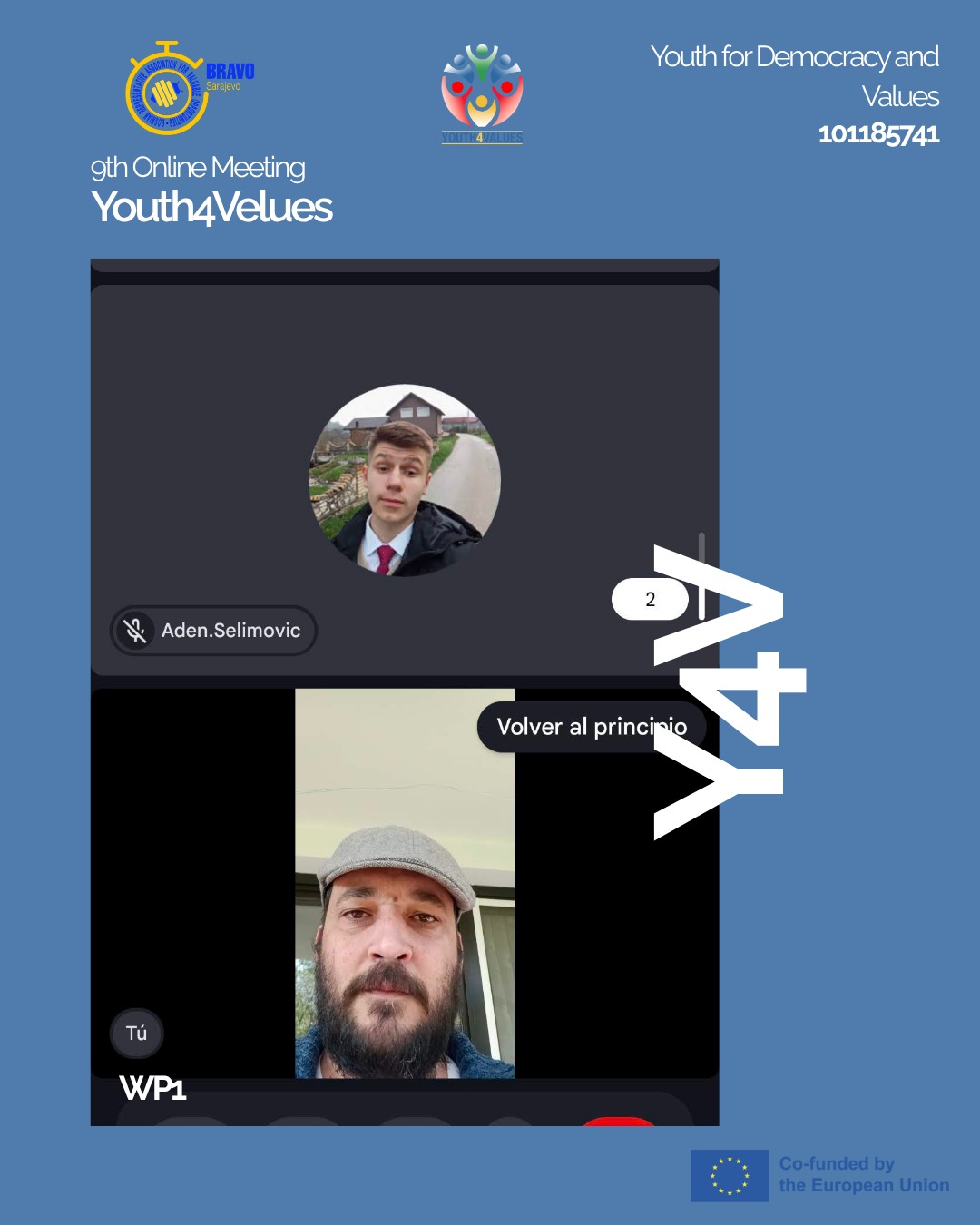
The ninth international meeting served as a formal progress review for the National Action Plans. Each national group presented the current structure of its document, the recommendations already completed and the areas still requiring research, consultation or revision.
Participants checked whether the plans reflected the issues identified throughout the project, including low trust in institutions, weak civic education, limited youth influence, unequal access to participation and insufficient cooperation between sectors. They also reviewed whether the recommendations addressed both formal participation, such as councils and consultations, and informal participation through volunteering, campaigns, community initiatives and digital action.
International feedback focused on consistency and usability. The groups examined whether the problem analysis clearly led to the proposed actions, whether the recommendations were realistic and whether the indicators could demonstrate progress.
Participants also discussed the importance of naming potential implementing bodies and identifying ways to involve young people in monitoring the plans after publication.
The meeting included a discussion on long-term impact. Participants considered how the Action Plans could remain relevant beyond the project period, how youth organisations could use them in advocacy and how they could support future cooperation with municipalities, ministries, schools, universities and other stakeholders. They agreed that dissemination should be connected with follow-up dialogue rather than limited to publishing the documents online.
The review confirmed significant progress and gave each team a clear list of final tasks. It also reinforced collective responsibility for the quality of the project outcomes, since every national plan contributes to the credibility and strength of the common European recommendations.