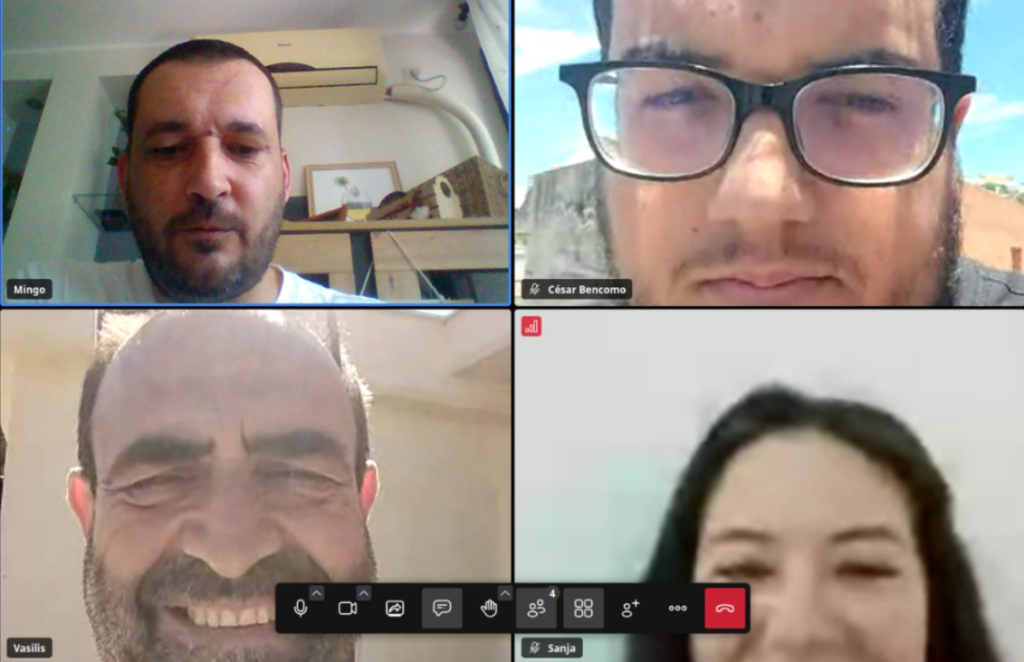
The fourth international meeting placed intercultural dialogue at the centre of the National Action Plan process. Participants examined how culture, language, history, social expectations and political experience influence the ways young people understand democracy, citizenship and public participation.
Young people shared examples from their communities showing that the same concept can have different meanings in different settings. In some contexts, participation is strongly connected with voting and political parties. In others, young people are more comfortable with volunteering, informal initiatives, protests, online campaigns or community-based action.
The discussion helped the group recognise that no single form of participation can represent the full diversity of youth voices.
The meeting also addressed barriers faced by young people from rural areas, minority communities, economically disadvantaged backgrounds and other groups with fewer opportunities. Participants discussed how inaccessible language, lack of transport, digital exclusion, stereotypes and distrust can prevent these young people from joining civic processes. They agreed that inclusion must be designed from the beginning, rather than added after activities and policies have already been developed.
Through facilitated dialogue, participants practised active listening, respectful disagreement and the ability to separate personal assumptions from evidence. They explored how democratic debate can remain constructive even when opinions differ. These skills were directly relevant to the Action Plans, since policy recommendations need to reflect diverse needs while still presenting a coherent direction for change.
The meeting strengthened mutual understanding within the international network and helped participants improve the inclusive character of their proposals. It confirmed that intercultural cooperation is not only an added value of the project, but also a practical tool for designing fairer and more representative youth policies.